Understanding dmr bin collection benefits

When managing waste, especially in a busy business environment, it’s important to have a reliable and efficient system. One service that many businesses in Kent find invaluable is dmr bin collection services. These services help manage waste responsibly, keeping your premises clean and supporting environmental goals. In this post, I’ll walk you through what these services are, why they matter, and how you can make the most of them.
Why dmr bin collection benefits matter for your business
Waste management is more than just getting rid of rubbish. It’s about doing it in a way that benefits your business and the environment. Using dmr bin collection services offers several advantages:
Cost efficiency: Regular collections prevent waste build-up, reducing the risk of fines or extra cleaning costs.
Compliance: Proper waste disposal helps you meet local regulations and avoid penalties.
Environmental impact: These services often include recycling and waste diversion, helping reduce landfill use.
Space management: Efficient waste removal frees up valuable space on your premises.
Professional handling: Trained teams ensure waste is sorted and processed correctly.
For example, a small retail shop in Kent can save money by scheduling regular bin collections rather than dealing with unexpected waste overflow. Plus, they contribute to a greener community by ensuring recyclable materials are handled properly.

How dmr bin collection services work
Understanding the process helps you get the most from your waste management plan. Here’s a simple breakdown:
Assessment: A waste management company evaluates your business’s waste type and volume.
Bin selection: You receive bins suitable for your waste, including general waste, recyclables, and DMR (Dry Mixed Recycling).
Scheduled collections: Bins are collected on agreed days to keep your site tidy.
Sorting and processing: Collected waste is taken to facilities where it’s sorted and recycled or disposed of responsibly.
Reporting: Some services provide reports on waste volumes and recycling rates, helping you track your environmental impact.
This system ensures your waste is handled efficiently and in line with environmental standards. It also means you don’t have to worry about waste piling up or breaking regulations.
What can I put in my DMR bin?
Knowing what goes into your DMR bin is key to effective recycling. DMR stands for Dry Mixed Recycling, which means it’s for dry, recyclable materials only. Here’s what you can typically put in:
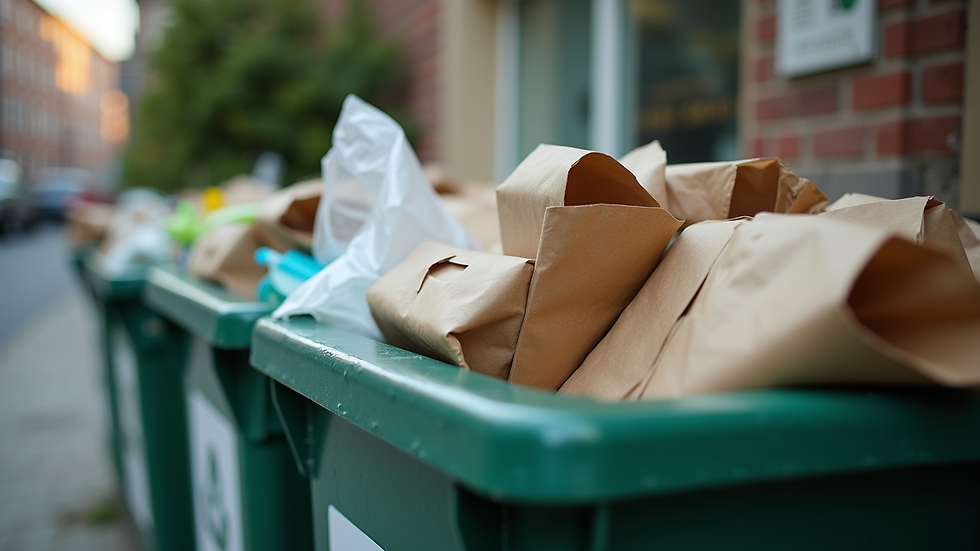
Paper and cardboard: Newspapers, magazines, office paper, flattened boxes.
Plastics: Bottles, containers, and packaging marked as recyclable.
Metals: Aluminium cans, tins, and foil.
Glass: Bottles and jars (check if your service accepts glass in DMR or separate bins).
Avoid putting food waste, liquids, or hazardous materials in the DMR bin. Contamination can spoil the recycling process and lead to more waste going to landfill.
For example, a café in Kent might separate coffee cups and food scraps from their DMR bin to ensure only clean recyclables go in. This helps the waste management company recycle more effectively.
Tips for maximising your dmr bin collection benefits
To get the best results from your waste collection service, consider these practical tips:
Educate your team: Make sure everyone knows what can and cannot go in the DMR bin.
Label bins clearly: Use signs or stickers to reduce contamination.
Schedule collections wisely: Choose collection days that match your waste production to avoid overflow.
Reduce waste at source: Minimise packaging and single-use items to lower the amount of waste generated.
Monitor your waste: Keep track of what you throw away and adjust your practices to improve recycling rates.
By following these steps, you not only keep your business compliant but also contribute to a cleaner environment in Kent.
Choosing the right waste management partner in Kent
Selecting a waste collection company is an important decision. You want a partner who understands your business needs and offers reliable, cost-effective solutions. Look for these qualities:
Local expertise: A company familiar with Kent’s regulations and waste facilities.
Flexible services: Options for different bin sizes and collection frequencies.
Environmental commitment: A focus on recycling and waste diversion.
Transparent pricing: Clear costs with no hidden fees.
Good customer service: Responsive and helpful support.
Trident Waste Management, for example, aims to be the go-to independent waste collection company in Kent. They provide comprehensive solutions that help businesses manage waste efficiently while supporting a greener environment.
By choosing the right partner, you ensure your waste is handled professionally and sustainably.
Taking the next step with your waste management
Managing waste effectively is a continuous process. Start by assessing your current waste situation and identifying areas for improvement. Contact a trusted provider to discuss your needs and set up a tailored collection plan.
Remember, good waste management is not just about compliance - it’s about creating a cleaner, safer, and more sustainable business environment. With the right approach, you can enjoy the many benefits of dmr bin collection services and contribute positively to Kent’s community.
If you want to learn more or arrange a service, consider reaching out to dmr bin collection services to get started today.


Comments